




ToU Campus
STUDENT DORMITORIES
In Toraighyrov University, comfortable and safe living conditions have been created for students in three modern campuses. Each dormitory is equipped with everything necessary for study, leisure, and daily life.
Identity document
Payment receipt (for 10 months in pdf format. Screenshots, images are not accepted)
Copy of the guardianship establishment order (for orphans)
Disability confirmation certificate in the form approved by Order No. 142-I of the Minister of Labor and Social Protection of the Republic of Kazakhstan dated April 1, 2014
Chest X-ray (fluorography)
Certificate from the narcological dispensary
Certificate from the psychoneurological dispensary
Payment receipt
Referral
Medical certificate 0.75u (with registration date not later than 6 months)
Photo 3×4 (3 pcs.)
Medical certificate (health center of Toraighyrov University, office A1-117)
Payment is made via the Kaspi and Halyk Bank applications.
ToU Campus
CAMPUS №1


Campus №1 (located at: 101 Tolstoy St., Pavlodar) is a five-story building consisting of three blocks. The dormitory features 162 residential rooms with a total capacity of 360 beds.
Dormitory accommodation is primarily provided to students from socially vulnerable categories, as well as those studying under the state educational grant. Furthermore, priority is given to students arriving from other regions of the Republic of Kazakhstan and from abroad.
Annually, in accordance with the decision of the University Academic Council, students categorized as orphans or children left without parental care are exempt from dormitory accommodation fees.
To ensure effective student leisure, the dormitory features an assembly hall equipped with projection television, a library, a computer lab, as well as a gym and a table tennis room provided with necessary sports equipment.
The grounds of Campus №1 include an outdoor sports area with a streetball court, pull-up bars, wall bars, and agility ladders (snake bars).
To provide high-quality study conditions, a dedicated study classroom and a reading room are available for students.
Campus №1 is secured with 24/7 professional guard services and a comprehensive CCTV surveillance system.
The surrounding territory is fully landscaped, featuring rest benches, greenery, and flower beds to create a comfortable environment.
ToU Campus
CAMPUS №2


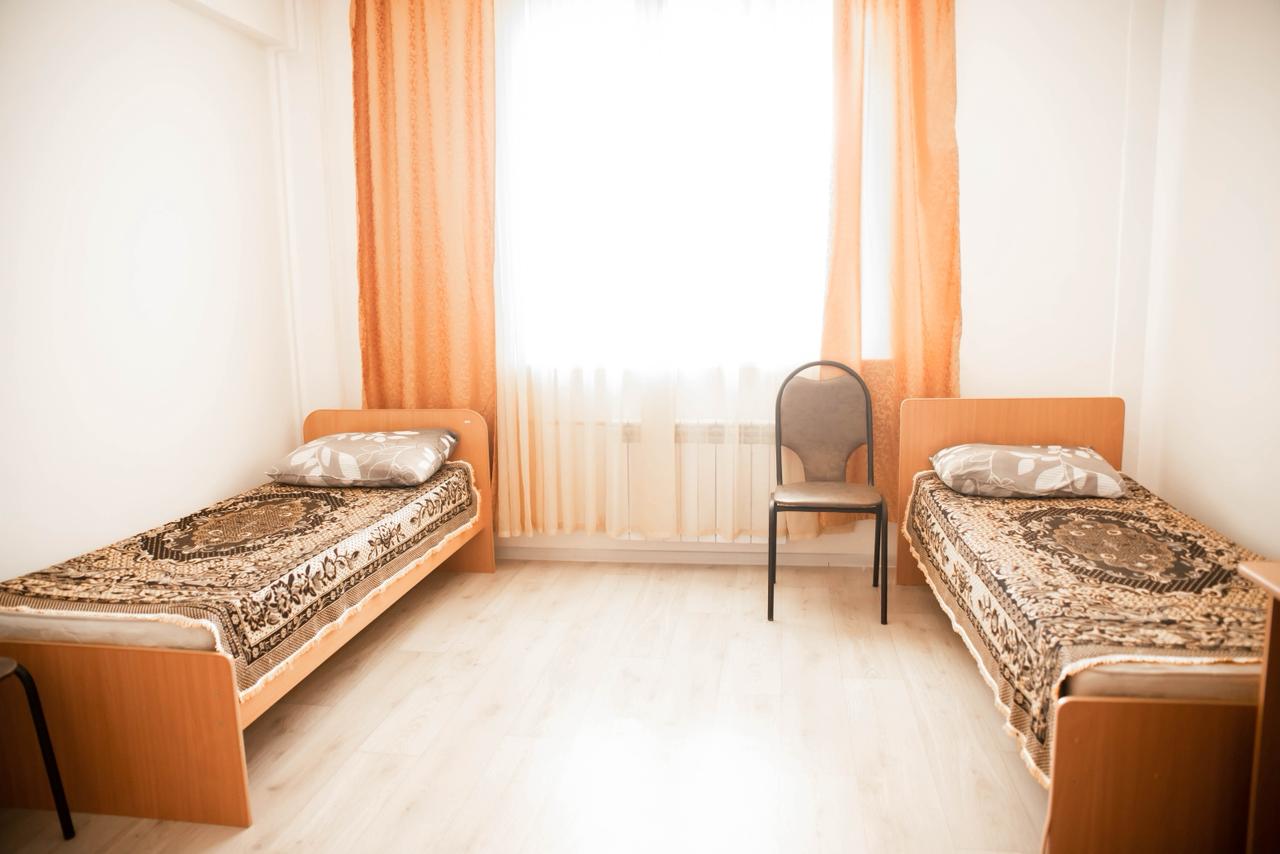
Campus №2 was commissioned on October 20, 2015. Address: 139/1 Akademik Chokin St., Pavlodar.
The dormitory is designed for 500 residents and includes 220 residential rooms. Each room is equipped with its own private shower and bathroom. Additionally, the kitchen area features a two-burner electric stove.
Rooms are fully furnished with all necessary amenities, including beds, bookshelves, desks, and chairs.
To ensure effective student leisure and a comfortable living environment, the building is equipped with Wi-Fi, OTAU TV satellite television in the lobby, and a dedicated computer lab.
Laundry services are also available for all residents.
Campus №2 is under 24/7 security surveillance. CCTV cameras are installed both inside the building and throughout the surrounding grounds. The entrance is equipped with an electronic access control system. The building also features a modern fire alarm and voice notification system.
Safety is a top priority: a comprehensive security and video monitoring system ensures round-the-clock protection. All residential rooms and common areas are fitted with an automatic fire alarm system.
On a regular basis, briefing and prevention sessions are held for students to ensure compliance with fire safety requirements and emergency procedures.
ToU Campus
CAMPUS №3


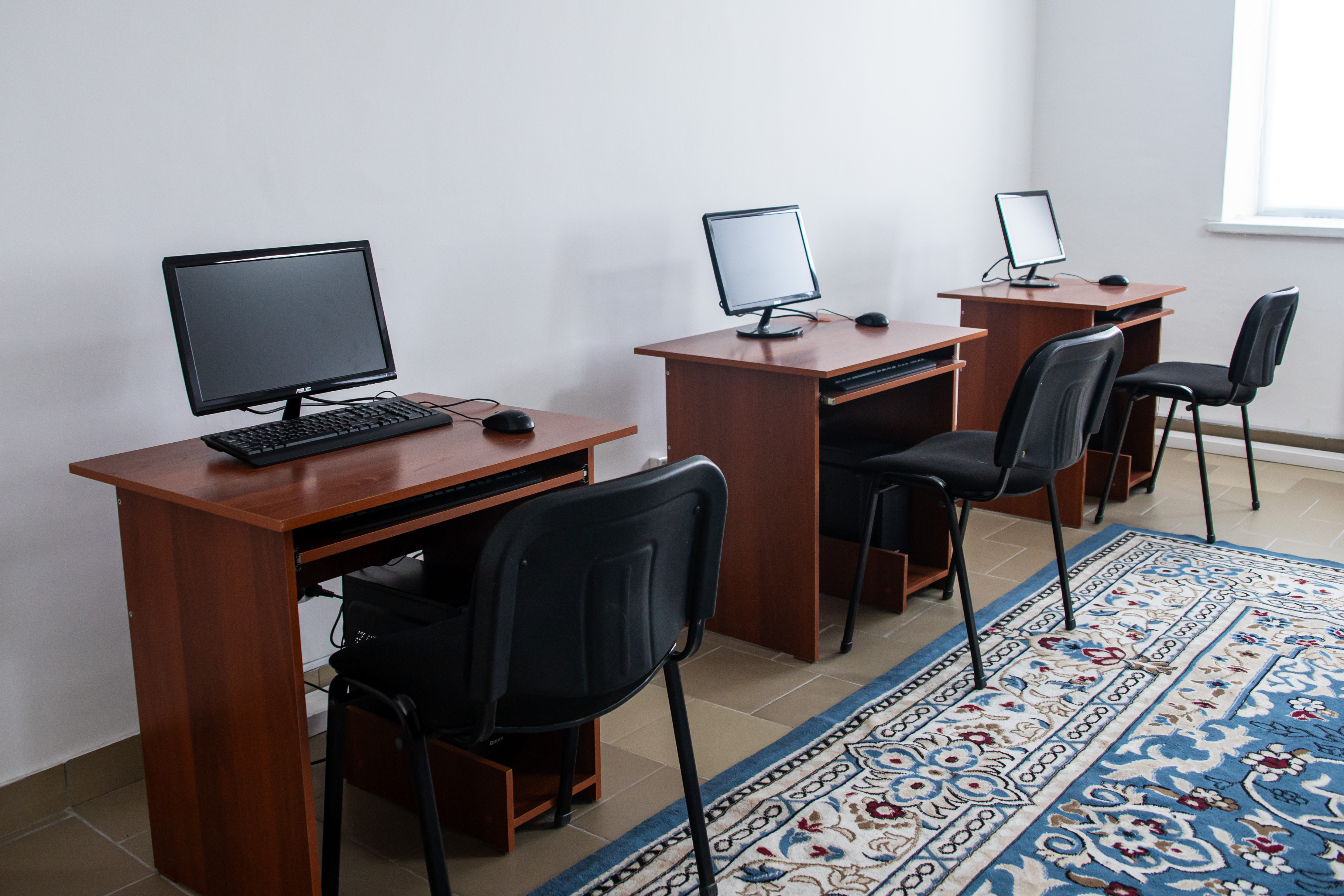
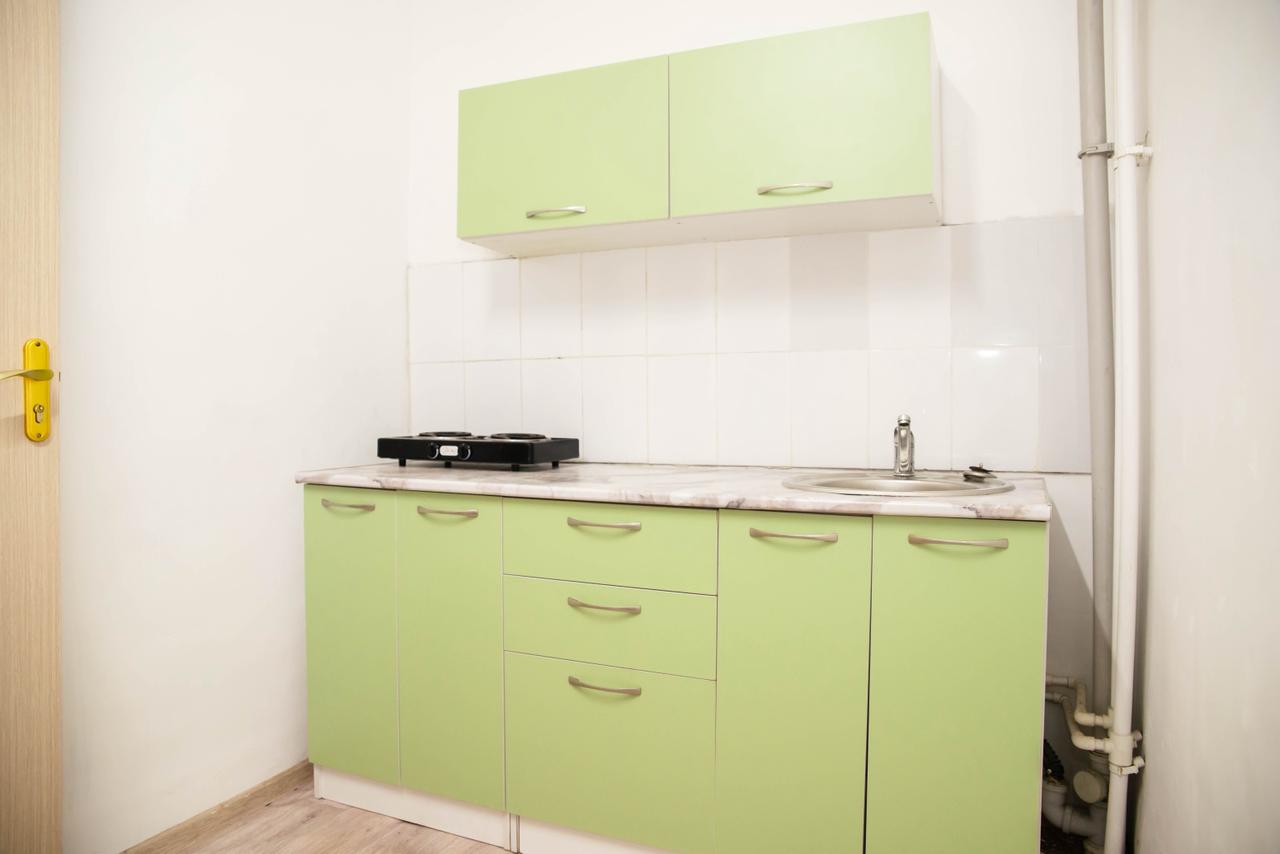
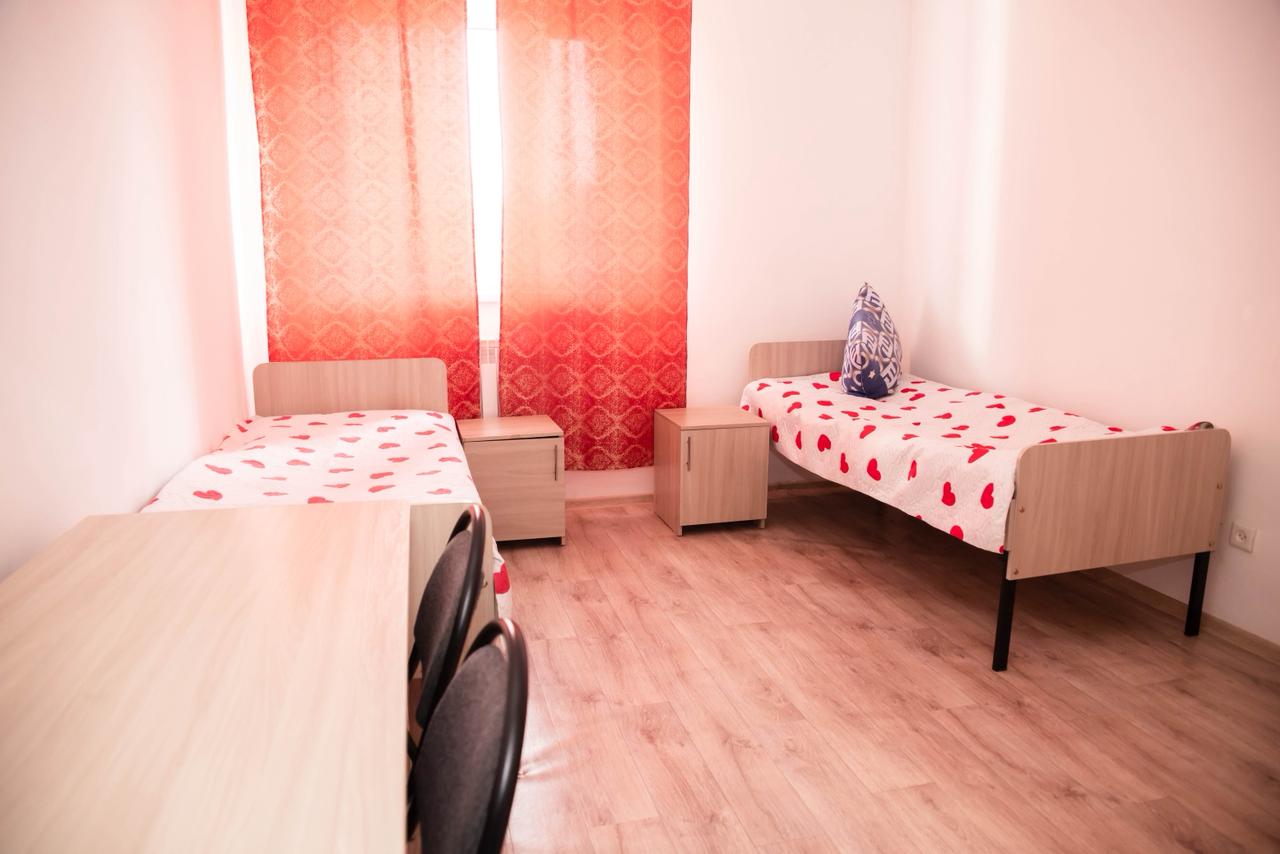
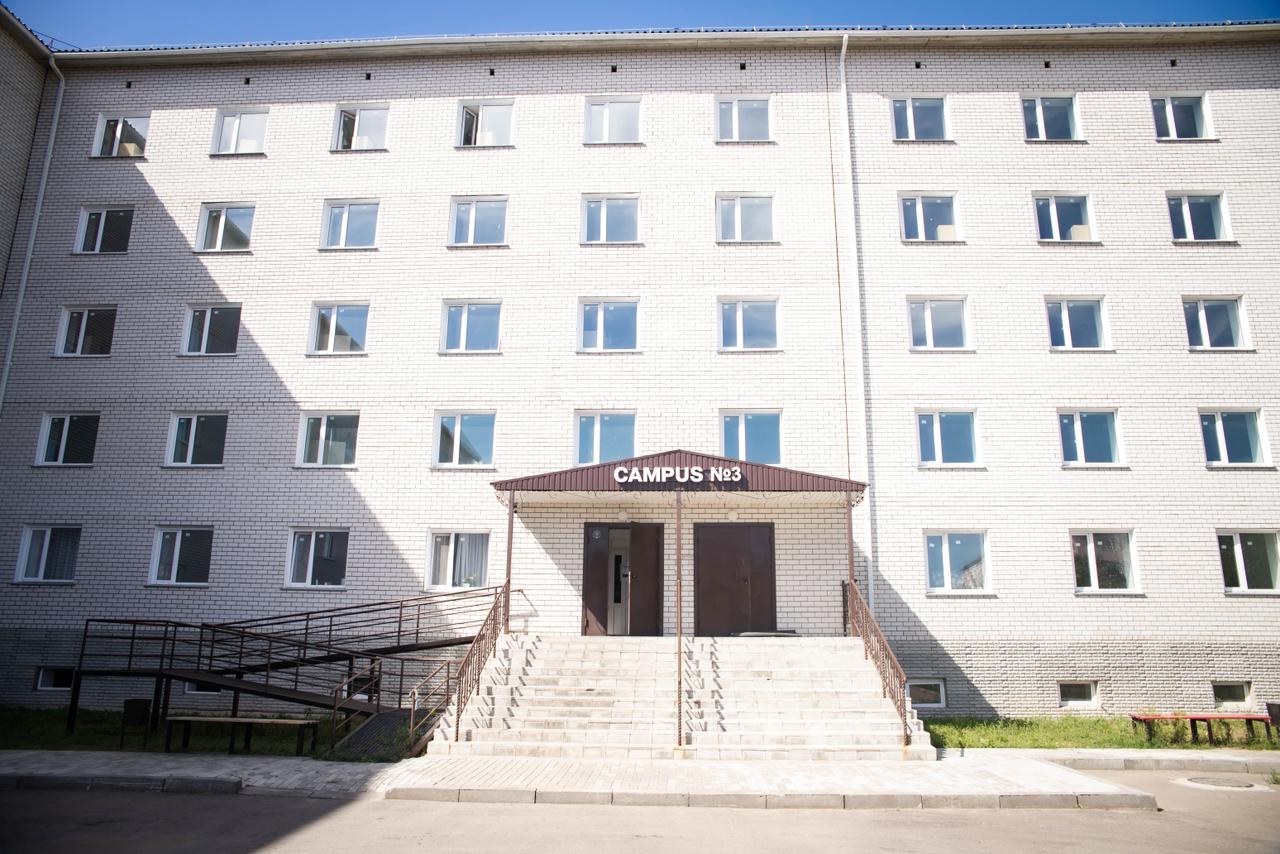
Campus №3 was commissioned on August 20, 2023. Address: 64/2 Lomov St., Pavlodar. The dormitory is designed for 600 beds and consists of 150 residential rooms.
Each room is equipped with a private shower and bathroom. The kitchen area includes a two-burner electric stove and all necessary kitchen furniture. Rooms are furnished with four beds, a wardrobe, a desk, and chairs.
The building features a medical office, a reading room, a computer lab, and a counseling (psychologist's) office.
To facilitate student leisure and study, the dormitory provides Wi-Fi access, co-working zones on every floor, table tennis rooms, and a dedicated laundry facility.
The dormitory is under 24/7 security surveillance, with CCTV cameras installed both inside the premises and throughout the surrounding grounds.
An electronic access control system with a turnstile is located at the security post in the entrance area.
Briefing sessions are held with students on a regular basis to ensure compliance with fire safety regulations and emergency procedures.
 OpenU
OpenU 