




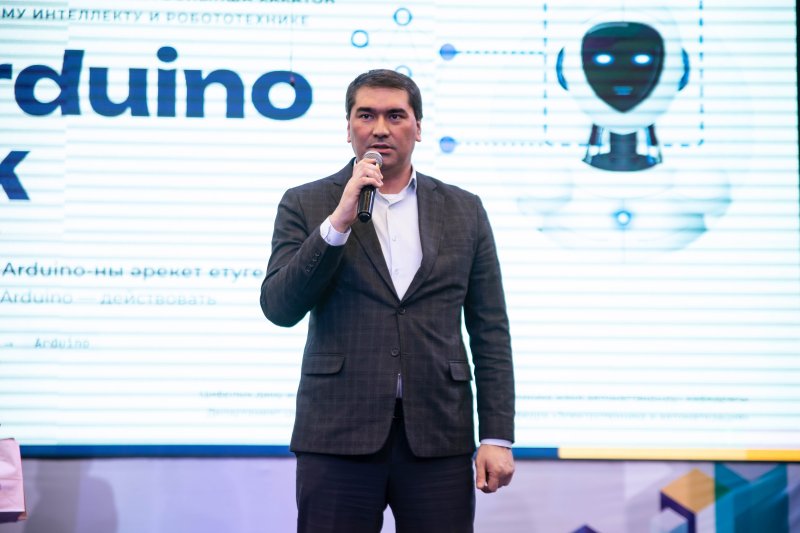
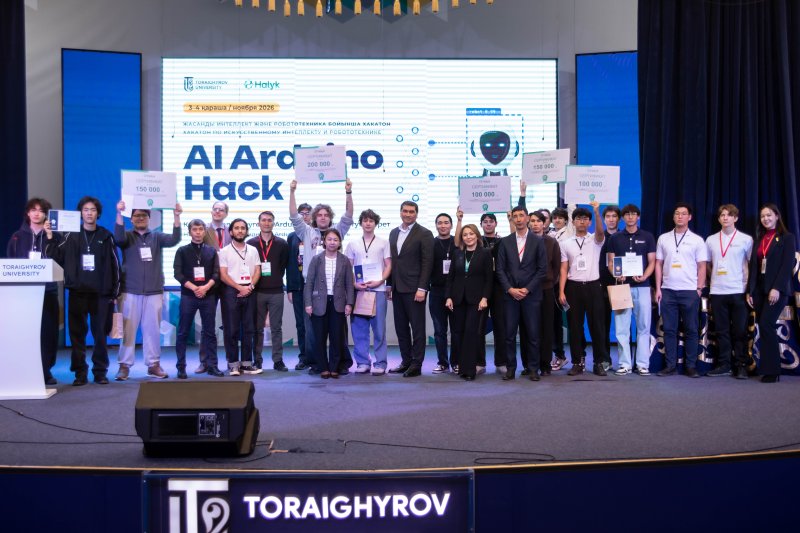
The republican hackathon "AI&Arduino Hack 2026" has concluded at Toraighyrov University, uniting 32 students from five Kazakhstani universities. Over two days, participants worked on creating intelligent devices using artificial intelligence, computer vision, and robotics technologies.
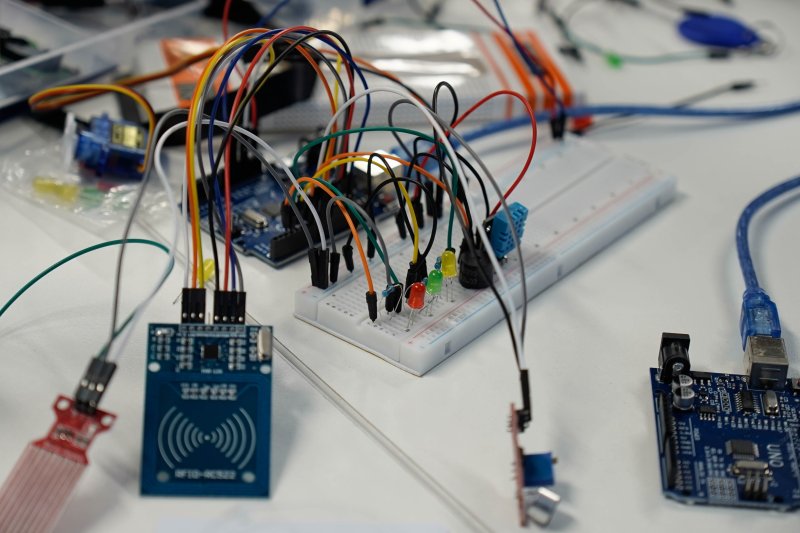
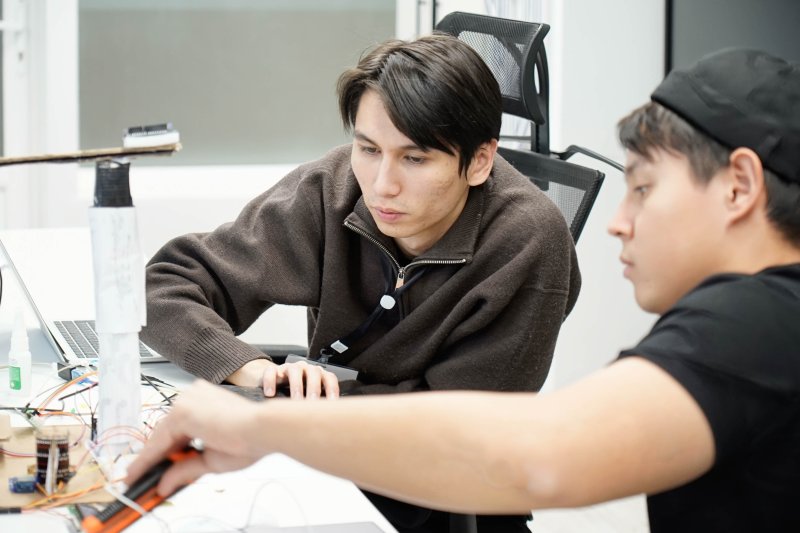
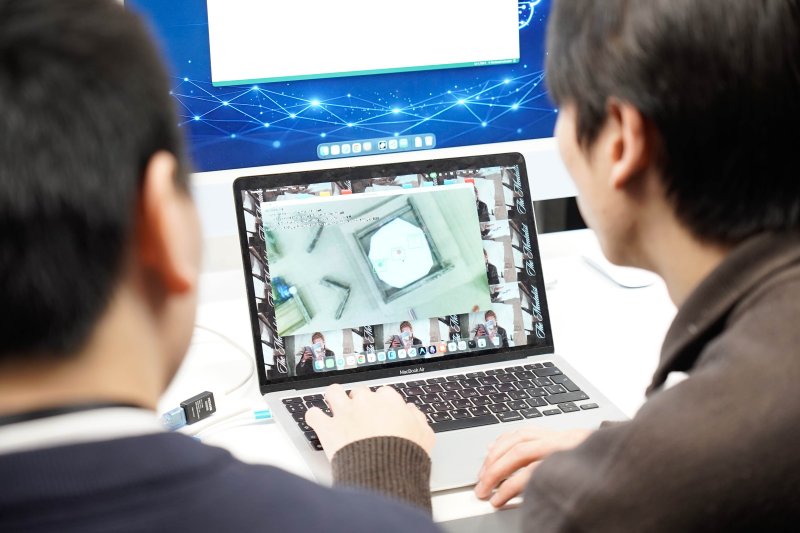
The hackathon took place on November 3–4. On the first day, the teams received their assignments and equipment, after which they began developing their projects. Participants were tasked with creating prototypes of smart systems capable of recognizing objects and interacting with external devices. To solve these challenges, students used Arduino microcontrollers, sensors, actuators, and software tools, including Python, OpenCV, and MediaPipe.
The event was held as part of the Year of Digitalization and Artificial Intelligence in Kazakhstan, aligning with the goals of the Digital Qazaqstan and AI-Sana initiatives focused on developing digital competencies, implementing AI technologies, and training specialists for the digital economy.
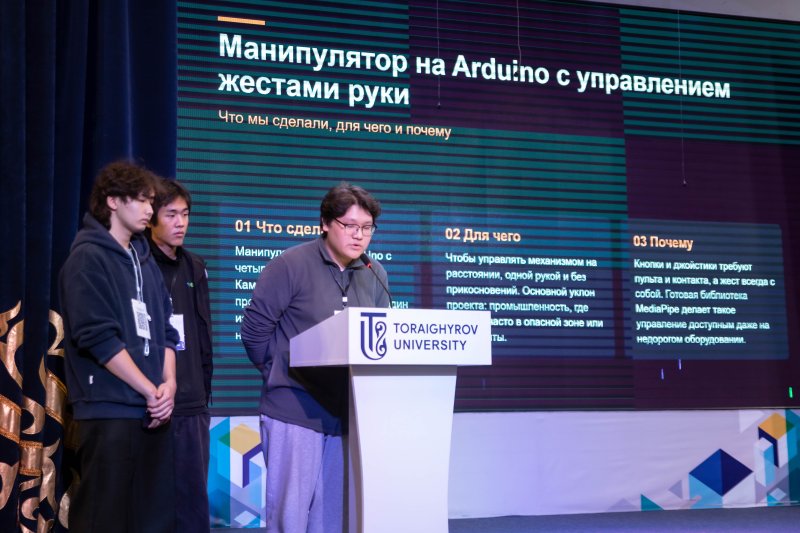
On the second day, the teams continued refining their developments, completed their assignments, and submitted their solutions for evaluation by an expert jury. The final stage was a pitch session, during which ten teams presented their projects. Based on the jury's evaluation, the winners were determined.
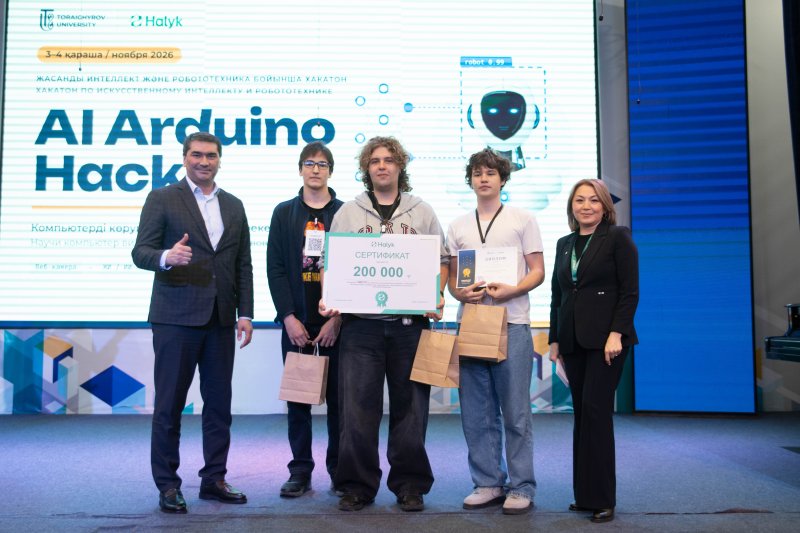
Halyk Bank provided significant support for the hackathon as the event sponsor. The bank allocated funds for the cash prize pool, which totaled 700,000 tenge. The top places were distributed among the teams presenting the most successful solutions.
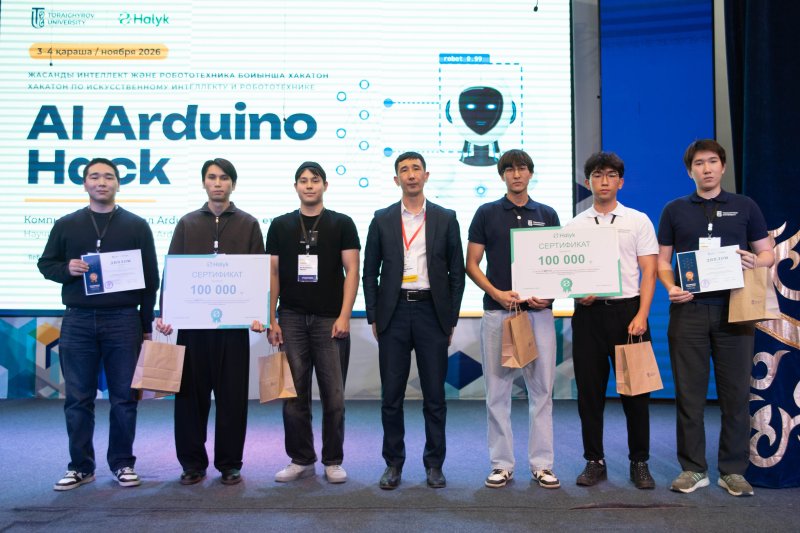
Hackathon winners: • 1st Place — Almaty University of Power Engineering and Telecommunications named after Gumarbek Daukeyev (AUPET)
• 2nd Place — ALT University, Innovative University of Eurasia (InEU)
• 3rd Place — Toraighyrov University (ToU), L.N. Gumilyov Eurasian National University (ENU)
"AI&Arduino Hack 2026" served as a platform for knowledge sharing, the practical application of engineering and IT competencies, and the development of technological solutions. Participants had the opportunity to test their ideas under real-world conditions, collaborate in teams, and present their projects to industry experts.
 OpenU
